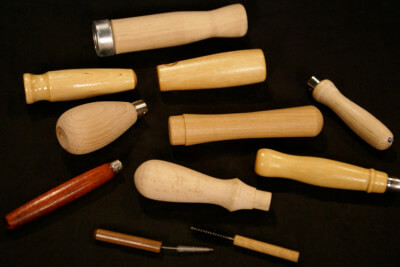
Secondary Operations Support Finished, Ready-to-Use Components
Secondary Operations Support Finished, Ready-to-Use Components
Secondary operations are often required to ensure wood components meet functional, dimensional, and assembly requirements. These processes are typically performed after initial machining to prepare parts for installation, integration with hardware, or final finishing.
Our team reviews secondary operation needs as part of the overall manufacturing process to ensure components arrive ready for use.
Common Secondary Operations Performed
The following secondary machining operations are commonly performed to prepare components for assembly, finishing, or installation.
This list reflects commonly performed secondary operations and is not exhaustive. Operations may vary based on project requirements.
Confirming Secondary Operation Requirements
Secondary operations are typically confirmed using drawings, dimensions, reference samples, and assembly requirements. Our team reviews these details to ensure secondary machining aligns with your end goals. This review helps ensure secondary operations integrate into your production workflow without rework or adjustments.
For more information on our custom options, view our wood species and material selection or printing and finishing pages.
When Secondary Operations Are Needed
Secondary operations are commonly required when components must integrate with other parts, hardware, or finishes.
Factors such as assembly method, tolerances, and production volume will influence which operations are appropriate for your project.