
Wooden Broom Handles: A Sourcing and Specification Guide
Wooden broom handles are a high-volume commodity component, but sourcing them at scale requires more consideration than most buyers might expect. Species selection, dimensional consistency, finish requirements, and secondary operations all affect whether the handles perform correctly in your end product and arrive ready for assembly.
This guide covers the key material and specification decisions involved in sourcing wooden broom handles in bulk, and what to confirm with a supplier before placing a production order.
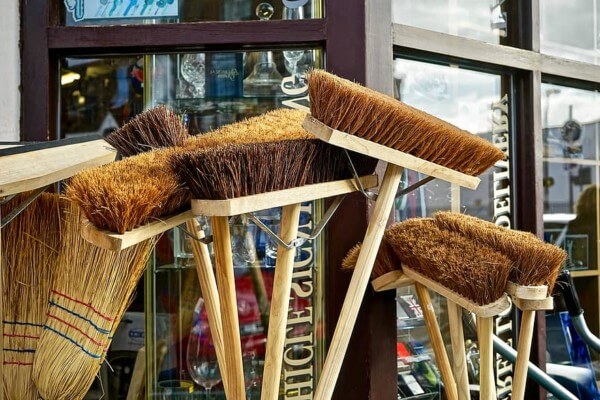
Custom Wooden Broom Handles for Bulk and Specialty Applications
Durable wooden broom handles customized for industrial or household use.
Why Wood Remains the Standard for Broom Handles
Wood has held its position as the dominant material for broom and mop handles because of its strength and workability. It takes secondary operations well, including threading, drilling, tapering, ferrule installation, and more, across large production runs. For OEMs and distributors managing branded or private-label programs, wood also accepts finishing such as printing, staining, and coating.
Composite and metal alternatives exist, but for most commercial and janitorial applications, wood delivers the performance-to-cost ratio that keeps it the specified choice.
Species Selection for Wooden Broom Handles
Species choice is one of the most consequential decisions in broom handle sourcing. The right choice depends on the end application, the required strength profile, and your finishing requirements.
Dimensions and Tolerances
Consistent sizing across a production run is non-negotiable. Handles that vary in diameter or length create fit issues that are expensive to resolve after delivery.
Key dimensions to confirm before ordering:
If you’re replacing handles in an existing product line, provide a sample or detailed drawing to allow the supplier to match existing specifications exactly.
Finishing and Secondary Operations
Most broom handle applications require at least basic surface preparation. Many require additional machining before the handle is ready for assembly.
Common finishing options include sanded and unfinished handles ready for your own coating process, painted or stained finishes for branded or private-label programs, and clear coatings for appearance or protection.
Secondary operations that are commonly required for broom handles include threading for standard broom hardware fittings, ferrule installation or preparation, tapering at one or both ends, and custom drilling or crossboring for attachment hardware.
Confirming secondary operation requirements upfront avoids delays and ensures handles arrive ready for your production process rather than requiring additional work on your end.
What to Confirm Before Placing a Bulk Order
For buyers sourcing wooden broom handles at volume for the first time, or switching suppliers, these are the questions worth resolving before committing to a production run:
Getting these details confirmed before a quote request speeds up the process and reduces the likelihood of spec mismatches after production begins.
H.A. Stiles sources and supplies wooden broom handles for commercial, industrial, and OEM programs. Bulk quantities are required. For full details on handle types, species options, and secondary operations, visit our custom wood handles options.
If you have defined specifications or need help confirming material and dimensional requirements, request a quote and our team will follow up directly.