
When it comes to balcony balusters, material choice shapes everything: the look, the maintenance load, and how well the installation holds up over time. Steel, composite, and stone all have their place, but wood remains the most versatile option for homeowners and builders who want design flexibility without sacrificing durability.
This guide covers the main styles of wood balcony balusters, why wood outperforms other materials for most balcony applications, and how to maintain them through the seasons.
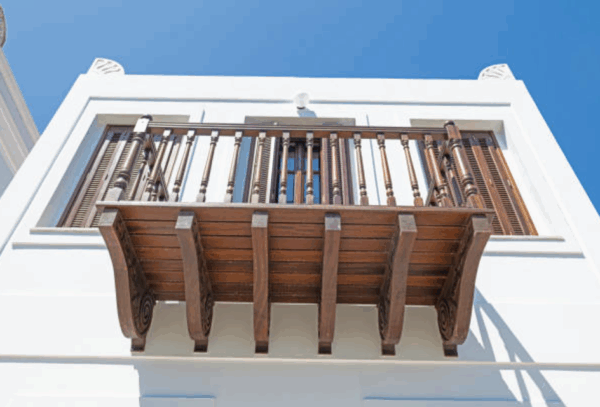
Custom Wooden Balcony Balusters on Outdoor Residential Railing
Custom-turned wood balusters add warmth, safety, and style to this modern balcony railing.
Wooden Balcony Balusters: Styles You Should Know
Picking the right baluster style depends on your home’s design and your personal taste. Making the right choice can improve your balcony’s appearance and also its overall feel. Wood gives you a wide range of design options that work for everything from historic homes to modern builds.
Classic Turned Wood Balusters
These are the pieces you often see on older homes. They have simple curves and details that are a perfect fit for Colonial, Victorian, or Craftsman styles. They also offer a look that has never gone, and will never go, out of date.
Modern Flat or Square Styles
If your home has a modern look, square or flat wood balusters could be a good match for you. They’re simple and smooth, giving your balcony an updated feel. These work great for minimalist designs and are often easier to clean and maintain.
Custom-Cut Designs
Due to its moldable nature, wood can be cut or carved into just about any shape. You can choose from twists, flutes, or even floral patterns. These balusters turn your balcony into a unique design feature and let you express your style in a personal way by using shapes that are all your own.
Why Pick Wood for Balcony Balusters?
Balconies need materials that last, look good, and feel comfortable. Wood checks all those boxes. Let’s look at what makes it such a great choice below.
Easy to Customize
Wood can be carved, turned, or shaped into almost any design you would like. It’s great for both builders and homeowners who want something unique. H.A. Stiles supplies custom wood balusters in small and large quantities, making it straightforward to keep profiles consistent across a full project.
Simple to Repair
If one wooden baluster gets damaged, you can replace it without tearing out the whole railing. This saves time and money, especially on large balconies. You can also sand or patch small areas without special tools, which makes long-term maintenance easier.
Comfortable to the Touch
Wood doesn’t get super hot in summer or ice-cold in winter like metal does. This makes it more pleasant to touch year-round, especially while spending time outside on your balcony during the warmer months. If your balcony gets a lot of direct sun or chilly wind, this is especially beneficial.
Stands Up to Weather
With the right finish, wood can handle rain, sun, and snow with ease. A good stain or sealant helps stop swelling, fading, or cracking over time. When cared for properly, wood can last just as long, if not longer, than many metal or composite options.
You Can Change the Look
Tired of the color you chose originally? Think you might want a change in the future? You can repaint or re-stain wood to refresh its look without replacing it. This gives you the freedom to update your balcony’s style as your tastes change over time. It also means your investment goes further.
Built with Precision
Need many balusters that match perfectly? Wood is easy to shape with machines that cut clean, detailed patterns. It’s great for both simple shapes and detailed designs. Your finished product, therefore, looks sharp and professional every time.
Lighter Than Stone or Concrete
Wood is much lighter than materials like stone or concrete. This makes it easier to install and puts less stress on your balcony structure, which is useful for upper levels or balconies with limited support.
Less Slippery
Wood has a natural texture that provides a better grip. When finished with a matte or textured sealant, it becomes even safer. This helps reduce the risk of slips, especially in areas of the country with lots of rain or morning dew.
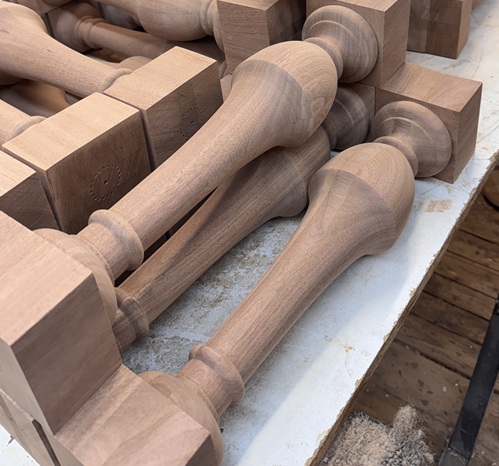
Exterior Sapele Balusters – Close-Up of New Turned Parts
Newly turned Sapele exterior balusters, crafted for outdoor installation and historical accuracy.
What to Keep in Mind When Choosing Wood Balusters
There are a few important things to think about before you order or install wooden balusters. Getting these details right will help you avoid problems later on.
Here’s what to consider:
How to Take Care of Your Wood Balusters
With a little upkeep, wood balusters can last for many years. Regular care helps keep them looking great and prevents damage from weather.
Follow these steps each season:
The Bottom Line: Wood Balusters Just Make Sense
Wood balcony balusters offer design flexibility, long-term durability, and ease of maintenance that other materials rarely match. If you’re replacing a section of an existing railing or sourcing balusters for a full balcony project, the right species and profile make a significant difference in the finished result.
H.A. Stiles supplies custom wood balusters for residential renovation projects, restoration work, and new construction. Small orders and larger project quantities are both welcome.
Request a free quote to discuss your balcony project.
Frequently Asked Questions (FAQs) for Balcony Balusters
To estimate how many balusters you’ll need, divide the total linear inches of your balcony railing by the desired spacing (typically 4 inches) and add one. A manufacturer like H.A. Stiles can help you calculate exact quantities based on your layout and code requirements.
Absolutely, but you’ll need to choose the right species and finish. Woods like ipe, teak, and mahogany will perform well near saltwater. Regular sealing is critical to protect against moisture and salt air.
If you notice any fading, peeling, or water absorption (wood darkens when wet), it’s time to refinish. On average, you should reapply sealant or paint every 2–5 years, depending on how much it has been exposed to moisture and the sun.
Yes. Most U.S. building codes require that balcony balusters are spaced no more than 4 inches apart and meet minimum height requirements for the railing. Always check your local code before ordering or installing any components.
Yes. Many homeowners and designers combine wood with metal rods or glass panels for a mixed-material look. You’ll want custom wood balusters that are milled to match the connections and mounting style of the non-wood components.
For balconies, top-performing wood types include cedar, mahogany, redwood, pressure-treated pine, and others. These woods are naturally resistant to rot, bugs, and humidity. Contact us to see which species could work best for you and your needs!
Indoor balusters tend to focus more on aesthetics and don’t need to be able to handle weather. Outdoor balusters, especially for balconies, must resist moisture, direct sun exposure, and temperature changes. That’s why wood species and finishes matter that much more for exterior use.